News
From Lisbon to Massachusetts in teaching and research
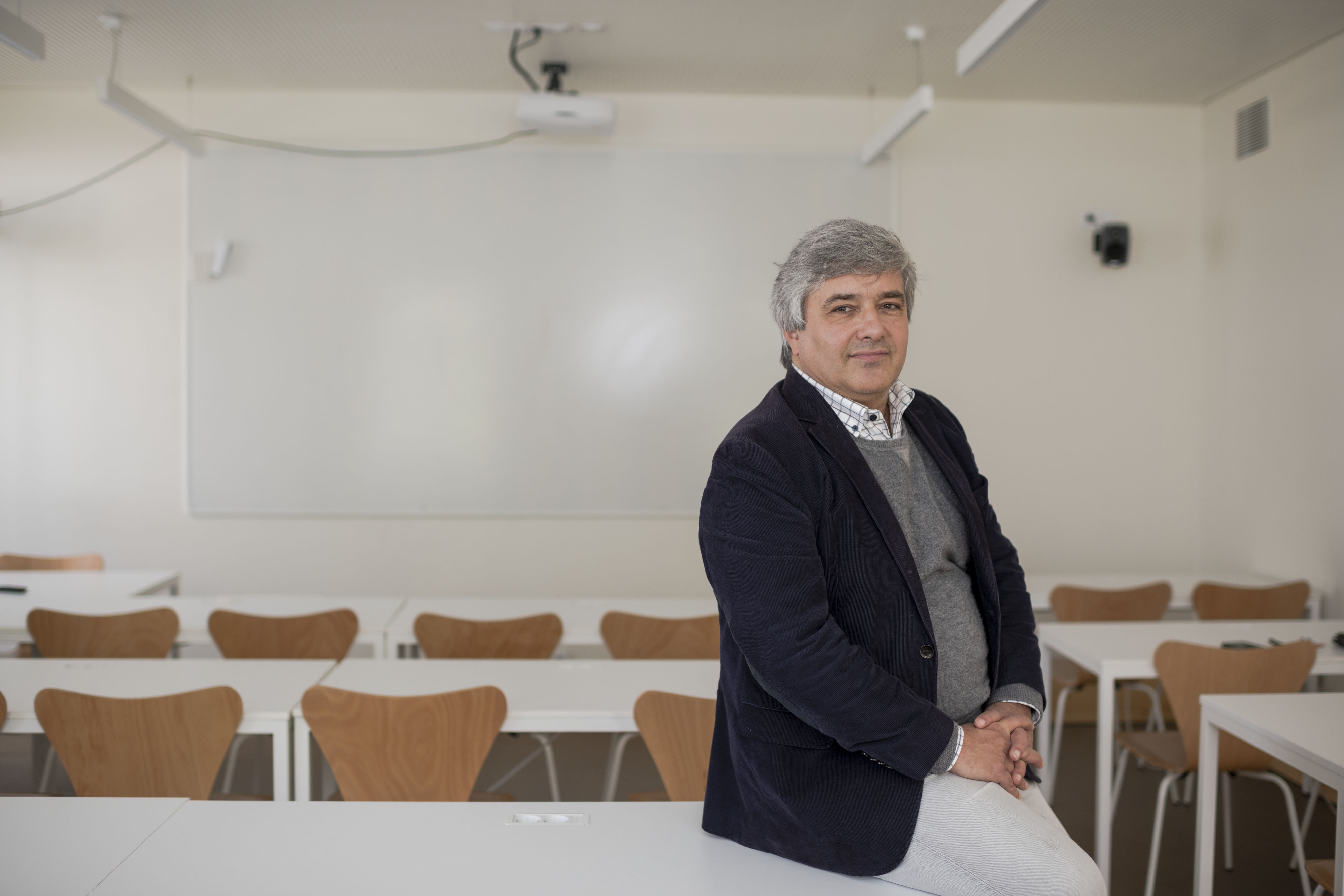
Professor Iscte-Sintra
Researcher ISTAR-Iscte
A partnership with an American university fosters innovation in the fields of teaching and learning, as well as research in scientific areas of mutual interest.
What is the main objective of the Atlantic Crossing project, funded by FLAD (Luso-American Development Foundation)?
The Atlantic Crossing – Crossing the Atlantic for Scientific and Teaching--Learning Cooperation project aims to strengthen the scientific and pedagogical ties between Bridgewater State University (BSU), one of the leading public universities in the state of Massachusetts, and Iscte, in particular the School of Applied Digital Technologies, Iscte-Sintra, but opening the range to all other Iscte Schools.
To achieve this goal, we explored several aspects, including the sharing of pedagogical methodologies, the exchange of practices, and the holding of hybrid classes (a combination of face-to-face and online courses). For example, a class taught in Portugal can simultaneously include the remote participation of BSU students and professors, and vice versa.
In addition, we organise monthly debates on topics relevant to Iscte-Sintra, its students, and the curriculum. We have already held four debates, addressing issues such as generative Artificial Intelligence (AI) in teaching and learning, the European strategy and regulation for Cybersecurity and AI, the challenges of AI-driven disinformation and the new trends in reasoning in generative AI models.
However, we seek to broaden the scope of the debates, expanding the discussions to areas such as Science Communication, in partnership with the School of Sociology and Public Policy. In the area of management, we are interested in Innovation in Management, Entrepreneurship and Digital Marketing.
We explore several aspects: the sharing of pedagogical methodologies, the exchange of practices and the realisation of hybrid classes (face-to-face and online)
What justifies the choice of Bridgewater State University as a partner in this cooperation?
Bridgewater State University is a University very similar to Iscte, not only in size – it has about 11,000 students, and Iscte has 15,000 –, but also in the structure of the faculty. Both institutions have approximately 300 career teachers. However, in terms of academic support, the BSU campus is significantly larger, with about 1200 employees, compared to Iscte's 300. BSU also offers a transportation service and has its police presence on campus.
Bridgewater State University's scientific areas are also closely aligned with those of Iscte, including social sciences and humanities, education, communication, management, computer science, technology, cybersecurity, and public health. The only exception is the architecture, which Iscte offers and BSU does not.
How did this partnership come about?
The collaboration began in early 2024. In March, Frederick W. Clark Jr., the president of Bridgewater State University, visited Portugal, accompanied by school administrators. He visited several Universities in Lisbon with the support of the Luso-American Development Foundation and the Fulbright Foundation. This mission resulted in a privileged partnership with Iscte.
The president of BSU has a strategy to strengthen ties with Portugal, given the strong presence of Portuguese descendants and Cape Verdeans in the Massachusetts region. After that visit, I went to BSU in June, and from there came the proposal for collaboration, prepared together with Professor Hannarae Lee of the Department of Criminal Justice. The proposal submitted to FLAD was approved, and the project started in October 2024.
How does the cooperation with Bridgewater State University contribute to achieving the project's objectives?
We have been working towards the creation of Double Degrees. We have already identified a first opportunity in this area, related to the new Master's Degree in Cybersecurity at Iscte-Sintra, which will start in September 2025. Interestingly, Bridgewater State University launched a similar master's degree last September, which allows us to develop a direct link between the two programs.
Another critical point is the introduction of the concept of "undergraduate research". In the USA, undergraduate research has been a long-standing tradition, allowing students to develop projects under the supervision of professors, culminating in the presentation of their work at symposia.
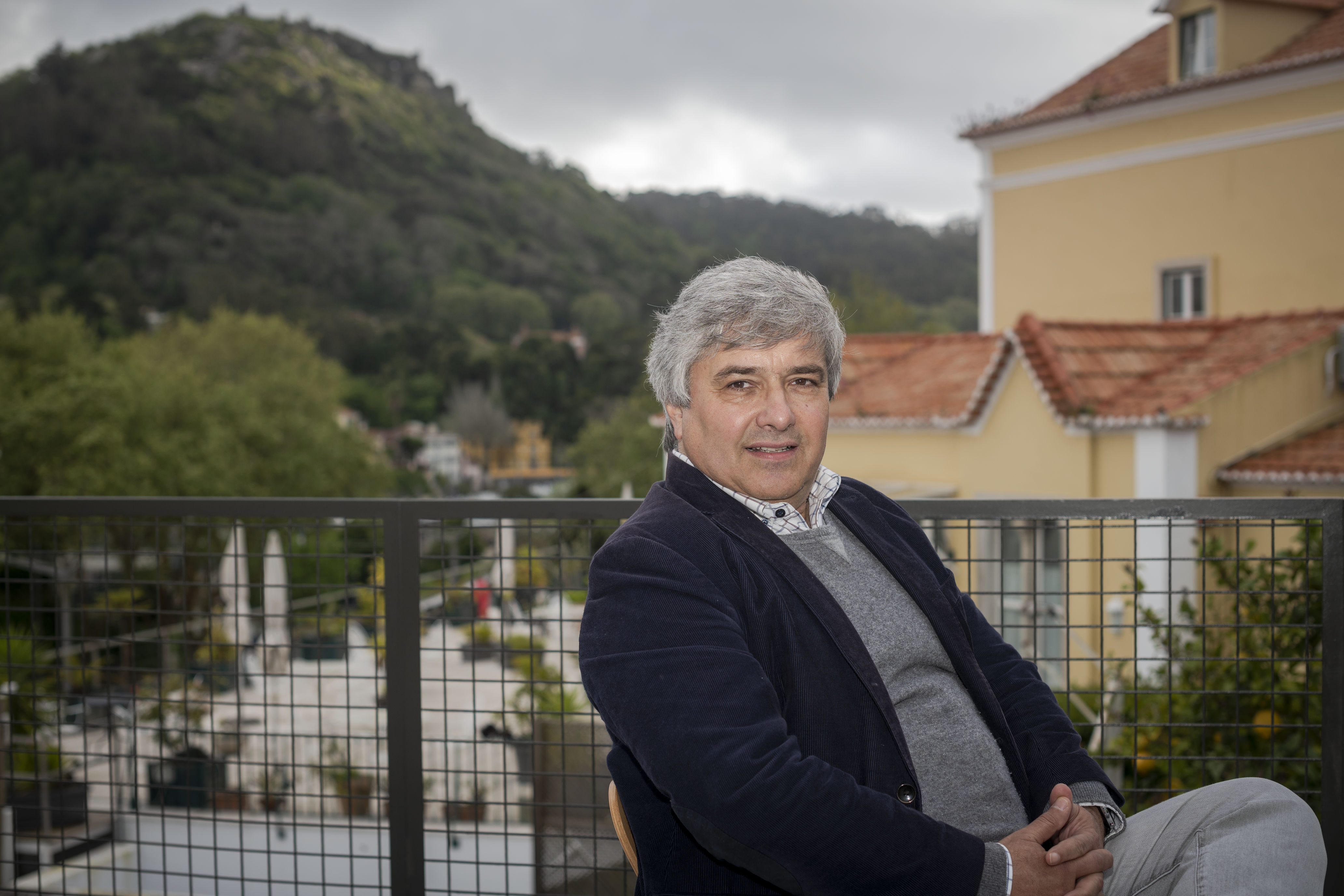
At BSU, these symposia take place annually. One of them, called STARS, is a face-to-face event where students present research work developed autonomously, without co-authorship by professors, who only supervise them.
This initiative seemed very interesting to me. I have long advocated this type of approach in Portuguese Universities. Inspired by BSU, Professor Marta Entradas and I decided to create the 1st Iscte Undergraduate Research Symposium (SIL-Iscte 2025), scheduled for October 2025. All ISCTE schools are represented on the Program Committee, and the submitted works will be reviewed by professors from various areas, without a formal peer review process.
In addition to debates, what other activities are part of the project?
The monthly debates take place at 5 pm in Portugal and noon in Massachusetts and are open to the entire academic community. In addition, we promote Collaborative Online International Learning (COIL), which offers remote and real-time classes that facilitate interaction between students from the two Universities.
The project also includes face-to-face visits. In January, we received a delegation from BSU at Iscte (Lisbon and Sintra). In June, it will be our turn to visit BSU to present the first results of collaborative projects and discuss new opportunities, such as the development of Double Degree programs. Colleagues from the areas of Management, Sociology, and Technology will accompany me.
In partnership with BSU, we organised a workshop at Iscte-Knowledge and Innovation on the first results of research projects under the theme Crossing the Atlantic for Scientific and Teaching-Learning Cooperation. We had seven presentations – three from BSU, three from Iscte and one from FLAD's vice-president, Nuno Pinheiro. Director Gregory de Melo conducted the visit. Present were the Director Martina B. Arndt, from the School corresponding to our School of Technologies and Architecture, and professors Enping Li, Cory Yeo and Hannarae Lee, who also participated in the workshop.
One of the most innovative joint projects is the development of Cape Verde's first extensive Creole language model, with text generation and translation capabilities into European Portuguese and English. This project also involves the University of Cape Verde and has already presented significant advances, with the first results being released at the symposium. Communications were presented in the areas of Cybersecurity and Healthcare, Forensic Science and implications of the AI Act in the USA.
The development of the first language model for text generation and translation from Cape Verdean Creole to Portuguese and English is one of the most innovative joint projects.
What are the challenges to the recognition of the Double Degree?
For BSU, the implementation of a Double Degree is relatively simple. Let's start with the Master's Degree in Cybersecurity. We are currently analysing the curricula to identify the curricular units required for students from both Universities. The goal is to create a fluid and accessible process.
The great advantage of the Double Degree is that a student can join the Iscte program, spend a period at BSU and obtain a joint degree, and vice versa. To this end, we are preparing course units taught in English, although many BSU students are also interested in training in Portuguese, given the region's strong Portuguese-speaking community. Massachusetts has about 200,000 Portuguese descendants and 30,000 descendants or natives of Cape Verde. The presence of the Portuguese language is quite evident on the BSU campus. Professor Emeritus Dana Mohler-Faria, former president of BSU, is of Cape Verdean origin.
This project strengthens cultural and academic ties, creating opportunities for students and researchers from both institutions to collaborate.
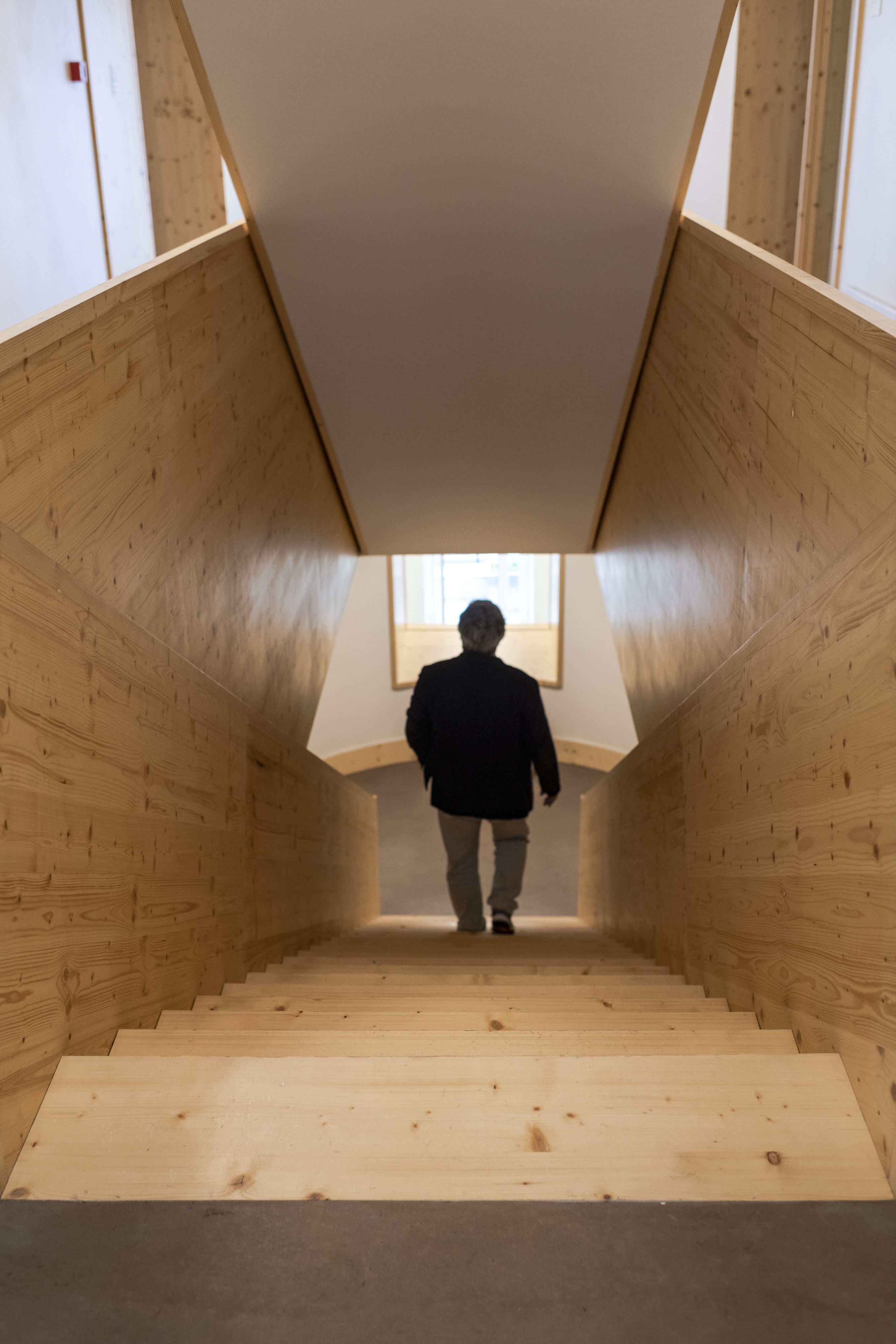
Iscte-Sintra Facilities
School of Applied Digital Technologies